
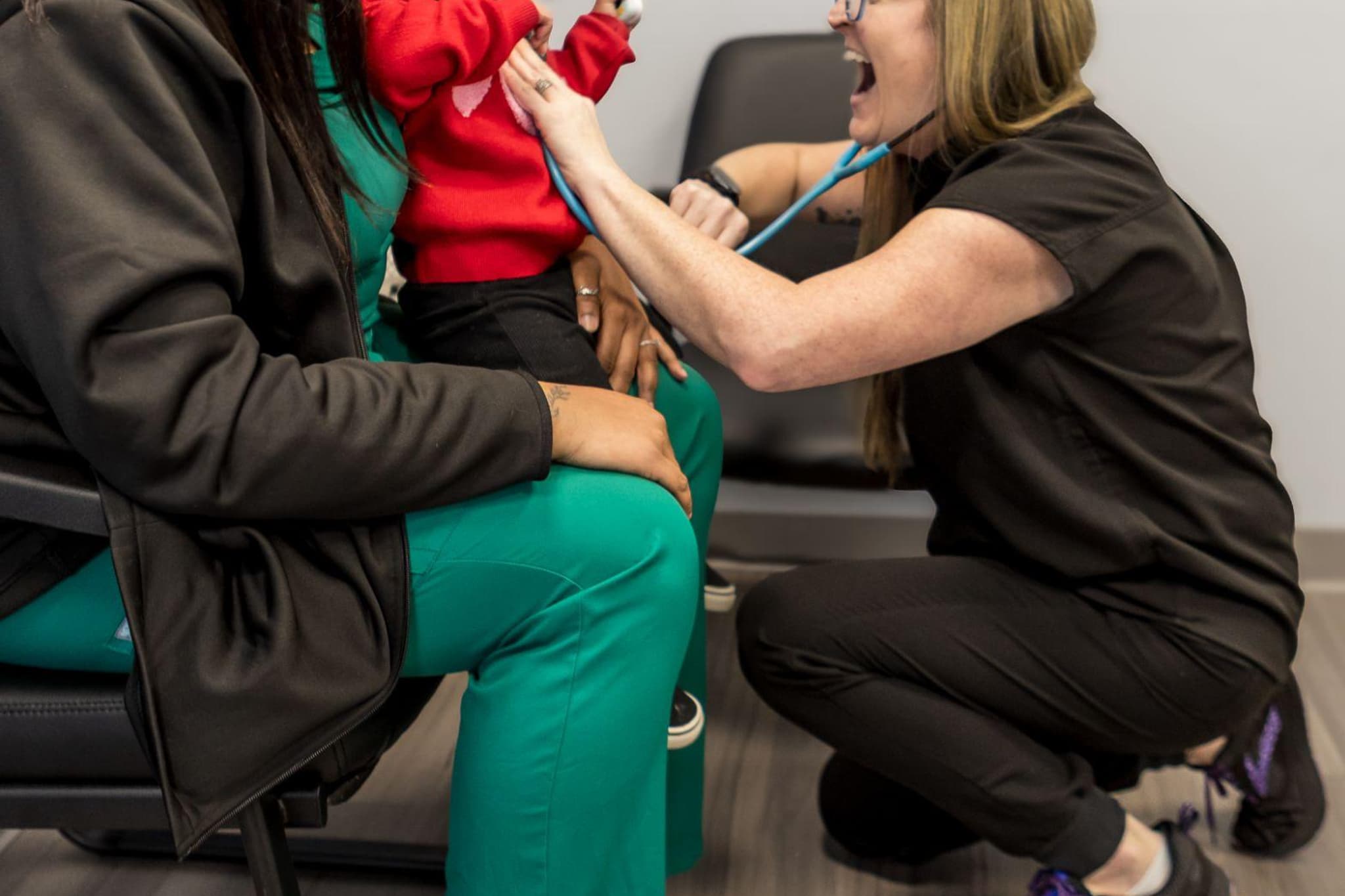
Healthcare is changing, and many patients are rethinking how they choose their primary care physician. Long wait times, rushed appointments, surprise bills, and limited access have made traditional healthcare feel frustrating and impersonal for many families.
A direct primary care physician focuses on relationships, access, and long-term health rather than high volume and insurance billing. This membership-based model is gaining attention because it aligns with what patients actually want from healthcare: time, trust, and predictable costs.
This article explains what a direct primary care physician is, how the model works, and why it is increasingly considered the future of healthcare for individuals and families in Oklahoma and beyond.
Index of Topics
- 01What Is a Direct Primary Care Physician
- 02Why Traditional Healthcare Is Changing
- 03How a Direct Primary Care Physician Improves Access
- 04The Role of Relationships in Better Healthcare
- 05Direct Primary Care vs Traditional Primary Care
- 06How to Get a Primary Care Doctor Through Direct Care
- 07Who Benefits Most From a Direct Primary Care Physician
- 08The Long-Term Benefits of Direct Primary Care
- 09Choosing the Right Direct Primary Care Physician
- 10Conclusion
- 11Frequently Asked Questions (FAQs)
What Is a Direct Primary Care Physician
A direct primary care physician provides comprehensive primary care with a simplified cost structure. Instead of billing insurance for each visit, patients pay a regular membership fee that covers most primary care services.
Because the physician is not dependent on billing codes and insurance claims, they can limit their patient panel and spend more time with each person during visits. Many patients describe this experience as more personal, less rushed, and easier to navigate than traditional primary care settings.
You may see terms like “direct primary care doctor,” “direct care physician,” or “direct care provider,” but they all describe the same core idea: a direct financial relationship between you and your primary care physician.
Why Traditional Healthcare Is Changing
In the traditional insurance-based system, many patients struggle to find primary care doctors accepting new patients or appointments that fit their schedule. Short visit times and high patient volume often make it difficult to fully address complex concerns or focus on prevention.
At the same time, physicians in traditional models face heavy administrative burdens tied to insurance billing, coding, and compliance. These pressures can limit time with patients and contribute to fragmented care rather than coordinated, long-term health planning.
The rise of the direct primary care physician model reflects a growing demand for accessible, relationship-based care that prioritizes patient needs over system constraints. Patients and employers alike are looking for options that improve access, predict costs, and support better outcomes over time.
How a Direct Primary Care Physician Improves Access
Access is one of the biggest advantages of working with a direct primary care physician. Patients often experience shorter wait times, same-week appointments, and easier communication.
Instead of navigating layers of scheduling systems, patients can contact their primary care doctor directly with questions or follow-ups. This access helps patients address concerns early rather than waiting until issues become urgent.
For individuals seeking a primary care doctor near me, this model offers a more responsive solution.
The Role of Relationships in Better Healthcare
Healthcare works best when trust exists between patient and doctor. A direct primary care physician has the time to build that trust.
Longer visits allow patients to discuss lifestyle, mental health, and preventive care without feeling rushed. Over time, the doctor gains a deeper understanding of the patient’s health history and goals.
This relationship-based approach leads to better outcomes, improved satisfaction, and a stronger sense of partnership in care. When patients feel comfortable reaching out to their physician with concerns, they are more likely to get care early, stay on top of preventive screenings, and follow through on recommendations.
Direct Primary Care vs Traditional Primary Care
Traditional primary care often relies on insurance billing, which can limit visit length and flexibility. In contrast, a direct primary care physician focuses on care delivery rather than billing codes.
| Feature | Direct Primary Care Physician | Traditional Primary Care Physician |
|---|---|---|
| Payment model | Flat monthly membership, no copays or deductibles for covered services | Insurance billing, copays, deductibles, and visit-based charges |
| Patient panel size | Smaller panels, more time per patient | Larger panels, shorter visits due to volume |
| Access to care | Same-day/next-day visits, direct messaging, telehealth | Longer wait times, limited communication channels |
| Focus | Prevention, chronic care, relationships | Episodic visits, driven by billing and coverage rules |
| Insurance role | Insurance not billed for routine primary care; recommended for major medical needs | Insurance required and billed for most services |
| Surprise bills | Minimal, with transparent pricing for extra services | More common due to network and coverage complexities |
Key differences include:
- Longer appointment times
- Easier access to the doctor
- Predictable costs
- Emphasis on prevention
Both models aim to provide quality care, but the direct primary care physician model offers a structure that better supports personalized healthcare.
To explore available primary care options, visit how it works at Primary Health Partners.
How to Get a Primary Care Doctor Through Direct Care
Many patients wonder how to get a primary care doctor through direct care. The process is often straightforward.
Most DPC clinics, including Primary Health Partners, offer a simple enrollment process where you choose a physician, review membership options, and schedule a first visit. This initial appointment is an opportunity to discuss your health history, goals, and expectations and to decide whether the practice and provider are the right fit for you and your family.
For patients who have felt lost in the traditional system, the direct primary care model can make finding and keeping a primary care doctor feel clear, predictable, and personal again.
Who Benefits Most From a Direct Primary Care Physician
A direct primary care physician can benefit a wide range of patients, including:
- Individuals managing chronic conditions who need regular follow-up and easy access to their doctor.
- Families seeking consistent preventive care, sick visits, and support for children and adults in one place.
- Patients who value longer visits, shared decision-making, and a strong relationship with their physician.
- People frustrated by long waits, rushed appointments, or surprise bills in traditional healthcare.
- Employers looking for a cost-effective benefit that improves access and reduces unnecessary utilization.
The Long-Term Benefits of Direct Primary Care
Over time, the direct primary care physician model can support better health outcomes and more predictable healthcare spending. Regular visits, proactive prevention, and strong physician-patient relationships help identify issues early, when they are easier and less expensive to treat.
Patients often report fewer urgent care and emergency room visits because they can contact their physician directly for timely advice and treatment. Transparent pricing and membership fees also make it easier for individuals and families to budget for routine care without fear of surprise bills.
As healthcare continues to evolve, direct primary care is emerging as a model that aligns payment, access, and outcomes in a way that benefits both patients and physicians.
Choosing the Right Direct Primary Care Physician
When selecting a direct primary care physician, consider factors beyond location and cost. Important questions include:
- Does the physician’s communication style make you feel heard and respected?
- How easy is it to reach the doctor or team between visits (text, phone, virtual)?
- What services are included in the membership, and what has an additional at-cost fee?
- How many patients does each physician typically care for, and how does that impact access?
Primary Health Partners, for example, offers membership-based primary care with transparent pricing, at-cost labs and medications, and a focus on long-term relationships across multiple locations in Oklahoma.
You can review their services and team to find a physician that fits your needs.
Conclusion
The future of healthcare is shifting toward access, trust, and long-term relationships. A direct primary care physician offers a care experience that prioritizes patients and supports lasting health.
For individuals seeking a better way to manage their healthcare, choosing a direct primary care physician is not just an option; it is a step toward a more effective, people-first system. Contact Primary Health Partners to get started.
